
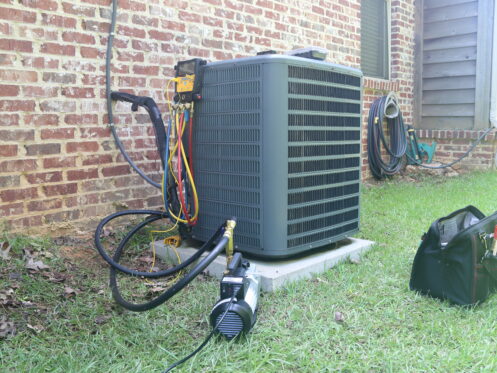
Summer brings triple-digit temperatures to Coachella Valley, CA that make having a functional HVAC system essential. Before warm weather arrives, it’s important to inspect your HVAC equipment. Look for these eight minor air conditioner problems that could lead to mid-season breakdowns.
1. Dirty Air Filters
Rather than generating cold air, ACs extract heat from indoor air. During each cooling cycle, these appliances draw warm indoor air in and pass it over their cooling coils. All of the air that enters your HVAC system must pass through its air filter. This component sieves out dust, dander, and other particulates. If it has a heavy, lint-like coating of built-up debris, airflow will suffer.
Dirty air filters lie at the heart of many common cooling problems in Coachella Valley:
- Lukewarm air coming from vents
- Rising indoor humidity
- Rank, musty odors
- Increased cooling costs
- Short cycling
If left unchecked, a dirty air filter can also cause your AC to overheat and shut down.
Fortunately, there’s an easy way to know when air filters are ready for replacement. Simply take your air filter out and hold it up to the light. When light can no longer pass through built-up filter debris, incoming air can’t pass through it either.
Check your HVAC air filter before the cooling season starts. To prevent filter-related performance issues, inspect this component monthly and change it as needed. For standard air filters, the recommended replacement schedule is once every 30 to 90 days.
2. Blocked Condensate Drains
During active cooling cycles, air conditioners extract excess moisture from the air. This keeps building interiors from feeling clammy, muggy, or downright oppressive. These appliances route collected moisture out of homes via their condensate drains.
When air conditioners lie dormant during the winter months, trapped moisture in their condensate drains can fester. This can lead to the development of mold, algal blooms, and slimy, bacteria-laden biofilms. If you turn your cooling system on before cleaning its condensate drain and drain lines, drain blockages can cause multiple performance issues.
Blocked condensate drains can lead to short-cycling, overheating, icing, and shutdown. They can also cause increased indoor humidity, musty odors, and pooling water near air handlers. The best way to learn whether your condensate line has a blockage is by scheduling professional air conditioning maintenance. HVAC technicians can inspect, clean, and disinfect the condensate drain to ensure optimum performance.
3. Insufficient Condenser Clearance
After extracting heat from your indoor air, your cooling system funnels this heat to the outdoor condenser unit and releases it. If your AC condenser lacks adequate clearance, it won’t move heat effectively. In spring, fast-growing grass, shrubs, and other greenery can encroach upon your condenser’s clearance. To prevent this, make sure that this component has at least 24 inches of clearance on all sides. Check for adequate clearance in spring, and revisit this unit throughout the summer season to cut back new growth. You should also clear away all loose, windblown debris and any nesting materials from outdoor pests.
4. Dirty Coils
Evaporator and condenser coils are the heat exchangers in air conditioners. Icy refrigerant in evaporator coils extracts the heat from indoor air, and hot, high-pressure refrigerant in condenser coils releases it. Built-up debris on either of these coils will impact the heat exchange process. This could lead to increased energy use and higher energy bills, along with less effective cooling.
When dirty evaporator coils can’t extract heat from indoor air, their cold refrigerant causes them to ice over. When condenser coils cannot release heat, the operational temperature of ACs starts to rise.
Coil cleaning is a standard part of AC maintenance. HVAC technicians use special fin combs to avoid bending or breaking delicate coil components.
5. Closed Air Vents
In larger households, it’s common for residents to have vastly different temperature preferences. When someone no longer wants conditioned air in their immediate area, they might close their air vent to direct it away. Although effective in the short term, vent closures can be extremely harmful for HVAC systems. With nowhere to go, unwanted air builds up in ducting, and the static pressure inside air ducts rises as well.
Increased static pressure creates undue operational stress. It can cause overheating, short-cycling, icing, and more. Prolonged vent closures and having too many vents closed at once can even cause cooling systems to break down.
Check for closed vents throughout your home and open them as needed. If your air vents have buildups of lint-like debris, dust them off with a damp cloth. You can even vacuum behind them by unscrewing their covers and using your vacuum cleaner’s hose attachments. If removing vent covers reveals large accumulations of lint-like matter, consider scheduling duct cleaning service. You can also schedule professional air balancing service to optimize vent positions throughout your home.
6. Leaky Air Ducts
Leaky air ducts can deposit conditioned air in remote, empty areas. They release cooled air in your crawlspaces, attic, or behind your drywall. This makes cooling systems work harder to create the indoor conditions residents want. Given that leaky air ducts can also take in unfiltered air, they can negatively impact indoor air quality (IAQ).
When they aren’t caused by dirty air filters, dirty coils, or clogged condensate drains, many minor AC problems are the result of duct leaks. Air duct leaks can lead to rising humidity, higher-than-normal energy bills, rank odors, and insufficient cooling.
Inspect all exposed air ducts throughout your home. Look for collapsed, crushed, or dented sections, and loose duct connections. During professional duct maintenance and cooling tune-up service, HVAC technicians can identify duct leaks with comprehensive inspections and airflow testing.
7. Loose Bearings
Turn your AC on and listen for rattling, clanging, or shrieking sounds. If you hear them, your blower motor may have loose bearings. Often the result of age, wear, insufficient lubrication, and contamination, loose bearings can lead to overheating, snapped fan belts, and compressor failure. Having an HVAC technician tighten or replace loose bearings could save you thousands on AC replacement or repairs.
8. Poor Thermostat Calibration
Your thermostat’s temperature sensor can gradually lose accuracy over time. Known as calibration drifting, this can lead to startup failure, longer or shorter run times, and diminished comfort. With faulty thermostats, ACs often work harder. They also sustain a lot of unnecessary wear as a result. You can test your thermostat on your own by reading your indoor temperature with a secondary device and making comparisons. However, thermostat testing and calibration are also standard parts of professional HVAC maintenance.
The Benefits of Professional Tune-Up Service
Checking and replacing your air filter and ensuring adequate condenser clearance are important, ongoing maintenance tasks for homeowners. Having a licensed HVAC company handle everything else will ensure superior results and warranty compliance. Pre-season tune-ups allow technicians to find and fix minor issues early on. This keeps these problems from escalating and staves off mid-summer breakdowns.
Schedule Preventive AC Maintenance Now
Proudly serving Coachella Valley since 1984, General Air Conditioning & Plumbing strives to exceed customer expectations. We offer comprehensive air conditioning service, ongoing specials, and an affordable HVAC preventative maintenance plan. As a multi-year winner of the Nextdoor Neighborhood Favorite Award, we deliver consistently excellent workmanship backed by solid guarantees.
To schedule AC maintenance in Coachella Valley, contact General Air Conditioning & Plumbing now!