Palm Springs summers bring intense heat that pushes cooling systems to their limits. When temperatures stay high day after day, your air conditioner has to run longer and work harder just to maintain a comfortable indoor environment. That constant demand can quickly drive up your energy bills if your home is not optimized for efficiency. The good news is that you have more control than you might think. By adjusting how you cool your home and making a few strategic improvements, you can reduce energy use without sacrificing comfort.
1. Take Advantage of Nighttime Ventilation
One of the most effective ways to reduce cooling costs in Palm Springs has nothing to do with your HVAC system. It starts with using the natural temperature drop that occurs at night. Desert climates cool off quite a bit after sunset. By opening your windows in the evening, you can bring in cooler air and flush out the heat that builds up inside your home during the day. Walls, floors, and furniture absorb heat throughout the afternoon, and nighttime ventilation helps release that stored heat.
To make this strategy more effective, you should create airflow through your home rather than simply opening one window. Opening windows on opposite sides encourages cross-ventilation, which allows air to move continuously through the space. Fans can also help pull cooler air in and push warmer air out.
Timing plays an important role. You should open windows once outdoor temperatures drop below indoor levels and close them again early in the morning. Closing windows and blinds before the sun rises helps trap cooler air inside and prevents heat from entering your home. This daily cycle reduces how much work your air conditioner needs to do, which can lead to noticeable savings.
2. Consider Adding a Swamp Cooler
Evaporative cooling provides another highly effective option for desert climates. Swamp coolers use water evaporation to cool air, which requires far less energy than traditional air conditioning systems. Since Palm Springs has low humidity, evaporative cooling works especially well. These systems pull in outside air, cool it through evaporation, and circulate it throughout your home. This process creates a steady flow of fresh, cool air without the heavy energy demand of standard AC units.
You can also choose to use swamp coolers alongside traditional systems. On moderately hot days, a swamp cooler can handle most of the cooling load. On extremely hot days, you can rely on your central AC for additional support. This combination reduces the overall workload on your primary system. As a result, your air conditioner runs less frequently, which lowers energy consumption and reduces wear on the system.
Swamp coolers also introduce fresh air into your home rather than recirculating the same indoor air. This can improve overall comfort and help prevent the stale feeling that sometimes comes with closed environments.
3. Upgrade to Zone Control or Mini-Split Systems
Cooling every room in your home to the same temperature may not always make sense, especially if you don’t use certain areas regularly. Traditional systems often treat your entire home as a single zone, which can lead to energy waste. Zone control systems allow you to divide your home into separate areas with independent temperature settings. This means you can cool living spaces during the day and bedrooms at night without overcooling unused areas.
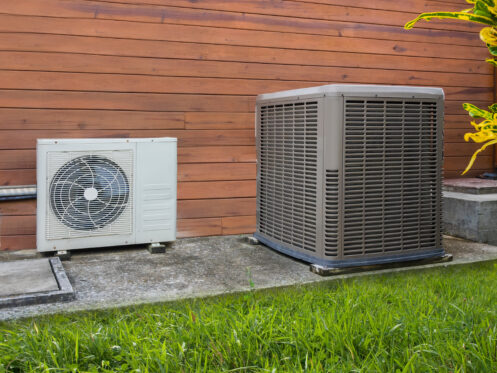
Mini-split systems provide a similar benefit with even greater flexibility. These ductless systems deliver cooling directly to specific rooms, eliminating the need for ductwork and reducing energy loss. They work particularly well in older homes, additions, or spaces that never seem to stay comfortable. Targeted cooling helps reduce overall energy use because your system focuses only on the areas that need it. This helps lower your energy bills and improve comfort by allowing you to customize temperatures throughout your home.
4. Improve Airflow and Reduce Heat Gain
Your home’s ability to maintain a comfortable temperature depends heavily on airflow and how much heat enters the space. Even the most efficient cooling system will struggle with restricted airflow or with heat continuously building up inside. Airflow issues often start with something simple. Blocked vents can prevent cool air from reaching certain areas, which creates uneven temperatures and forces your system to work harder. Keeping vents clear and unobstructed allows air to circulate properly and maintain consistent comfort.
Heat gain presents another major challenge in Palm Springs. Sunlight entering through windows can quickly raise indoor temperatures, especially during peak hours. Using blinds, shades, or reflective window coverings can significantly reduce this effect. Sealing gaps around doors and windows also plays an important role. Small air leaks allow hot air to enter and cool air to escape, which reduces efficiency and increases energy use. Addressing these leaks helps maintain a stable indoor environment.
5. Use Solar Heat Control to Block Heat Before It Enters Your Home
In Palm Springs, one of the biggest contributors to high indoor temperatures is direct sunlight. When sunlight passes through your windows, it heats up floors, walls, and furniture, which then radiate that heat back into your living space throughout the day. This process can quickly raise indoor temperatures and force your cooling system to work much harder than necessary.
Solar heat control focuses on stopping that heat before it enters your home. Window treatments, such as reflective films, solar screens, and thermal curtains, can reduce the amount of heat that passes through glass. These solutions work by reflecting or absorbing solar energy, which helps maintain a more stable indoor temperature.
Exterior shading also plays an important role. Features like awnings, pergolas, or strategically placed landscaping can block direct sunlight from hitting your windows during peak hours. Even small adjustments, such as closing blinds during the hottest part of the day, can make a difference.
Schedule a Home Performance Audit
Some of the most impactful energy savings come from identifying problems that are not immediately visible. A home performance audit provides a comprehensive evaluation of how your home uses and loses energy. During an audit, we examine insulation, ductwork, airflow, and system performance. We look for areas where energy escapes or where your system works harder than necessary.
Duct leaks often go unnoticed but can reduce efficiency. If cooled air escapes before reaching your living spaces, your system must compensate by running longer. Identifying and sealing these leaks can improve performance and lower energy costs. Poor insulation can also contribute to higher bills. A home performance audit helps you understand exactly where your energy goes. Instead of guessing, you receive targeted recommendations that address the root causes of inefficiency.
Start Lowering Your Cooling Costs Today
Lowering your summer energy bills in Palm Springs starts with understanding how your home handles heat and airflow. By following the tips in this guide, you can create a more efficient and comfortable home. Each step helps reduce the strain on your cooling system and brings you closer to long-term savings without sacrificing comfort. At General Air Conditioning & Plumbing, we have been keeping Palm Springs residents comfortable since 1984. Contact us today if you need AC maintenance services or help cooling your home efficiently.