When you check your electrical panel and find the AC breaker has tripped, your first instinct might be to flip it back on. The first time is acceptable. However, if it happens again, it’s a clear signal that something is wrong. You shouldn’t reset it again.
An AC breaker can trip because of a problem within the HVAC system or an issue with your home’s electrical wiring. Identifying the difference is key to a safe and effective repair that prevents further damage.
In desert climates like the Coachella Valley, this problem is especially common. The prolonged cooling cycles and extreme triple-digit temperatures place immense stress on both air conditioning equipment and electrical systems. While some causes are relatively simple, like a clogged air filter, recurring breaker trips should never be ignored. We’ll explore the most common HVAC-related causes, the potential electrical culprits, and the warning signs every homeowner should watch for.
What Does It Mean When Your AC Trips the Breaker?
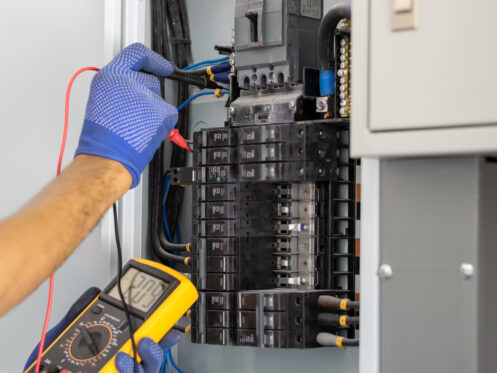
Your home’s circuit breaker panel is a critical safety feature. Each breaker is designed to protect a specific electrical circuit from drawing too much electrical current. When a breaker detects an overload or a short circuit, it automatically trips, cutting off the flow of electricity to prevent wires from overheating and creating a potential hazard.
Think of a tripped breaker as a symptom, not the problem. It’s your home’s way of telling you that something is demanding more power than is safe. Simply resetting the breaker without investigating the cause is like hitting the snooze button on an alarm.
It doesn’t solve the underlying issue, and repeatedly forcing a stressed system to run can lead to more damage. The key is to determine whether the fault lies with your AC unit or the electrical system that powers it.
HVAC Causes of AC Breaker Trips
Often, the reason a breaker trips originates within the cooling system. Your air conditioner has several powerful components, and if one of them starts to fail or struggle, it can draw an excessive amount of electricity. This power surge is exactly what a circuit breaker is designed to stop.
Common HVAC-related causes include dirty air filters, which restrict airflow and force the system to work harder. This strain can lead to other issues, like frozen evaporator coils.
More serious mechanical problems include a failing compressor, a faulty capacitor that can’t start the motor, or an overheating fan motor. Each of these issues forces the system to pull more amps than the circuit is rated for, resulting in a trip. Regular HVAC maintenance helps prevent these electrical interruptions.
Can a Dirty Filter Really Trip a Breaker?
Surprisingly, a simple dirty air filter is a frequent cause of a tripped AC breaker. The process is a chain reaction.
When the filter becomes clogged with dust and debris, it severely restricts airflow over the evaporator coils. Your system’s fan motor must work harder to pull air through the filter, drawing more current. If the strain becomes too great, this increased electrical demand will trip the breaker as a protective measure.
Electrical Causes of AC Breaker Trips
Sometimes, the air conditioner is working perfectly fine, but the home’s electrical system is the source of the problem. This is especially true in older homes that may not have been built to handle the demands of modern, high-powered appliances. Electrical components, just like mechanical ones, can degrade over time, particularly in the harsh desert environment.
Potential electrical issues include an aging circuit breaker that has lost its ability to handle its rated load and trips prematurely. Other causes can be loose wiring or corroded connections at the panel or near the AC unit, which can create resistance and heat. In some cases, the circuit itself may be undersized for the air conditioner.
Not every breaker trip means you need expensive AC repairs. It could indicate that your electrical system needs attention from a qualified electrician to safely power your home. Problems with an aging panel might mean it’s time to consider an electrical panel upgrade.
How Extreme Desert Heat Makes the Problem Worse
For homeowners in Thousand Palms and across the Coachella Valley, the relentless summer heat is a major factor. When temperatures soar into the triple digits for weeks on end, your air conditioner is forced to run for prolonged periods just to maintain a comfortable indoor temperature. This constant operation puts a tremendous strain on every part of your cooling and electrical systems.
Longer run times mean more stress on the compressor, fan motors, and capacitors. At the same time, the electrical circuits powering the AC unit are under a continuous, heavy load. An issue that might have remained hidden during the milder spring months can suddenly surface when the system is pushed to its limits during the peak of summer. This is why many AC and electrical failures occur during the hottest part of the year. Having a whole-home generator can keep your home cool even when the electrical system fails to function as it should.
Why Does the Breaker Usually Trip in the Afternoon?
Many homeowners notice that their AC breaker tends to trip during the mid-to-late afternoon. This timing is no coincidence. The afternoon is typically the hottest part of the day, when the sun has been beating down on your home for hours. This is when your AC system experiences maximum strain as it works to remove heat from your home, leading to the highest electrical draw and increasing the likelihood of a trip.
Signs the Problem Is More Likely HVAC-Related
You can often find clues about the source of the problem by observing how your AC system is behaving. If the breaker trip is accompanied by other performance issues, the fault likely lies with the cooling equipment. A professional diagnosis is essential, but these signs can point you in the right direction.
If you notice any of the following symptoms, it may be time for professional AC repair:
- Weak airflow from vents
- Warm or cool air from vents
- Ice or frost on refrigerant lines
- Grinding, squealing, or buzzing noises
- System runs for very long cycles
- Decline in cooling performance
Signs the Problem May Be Electrical
On the other hand, if your AC seems to be running fine but the breaker still trips, the issue may be rooted in your home’s wiring or electrical panel. Electrical problems require immediate attention from a licensed electrician due to safety concerns. Pay close attention to these warning signs.
Look for these indicators of an electrical fault:
- Flickering lights when AC starts
- Circuit breaker warm to the touch
- Burning smell near breaker panel
- Issues with other appliances
- Breaker tripping immediately after reset
What Homeowners Can Safely Check First
While most issues require a professional, there are a few things you can safely check. First, check your air filter. If it’s visibly dirty, replacing it is a safe and easy first step. You can also check your thermostat settings to ensure they are correct.
Walk around your home and make sure all supply vents are open and unobstructed. Finally, look at your outdoor unit to see if it’s blocked by leaves, dirt, or other debris. These simple observations can provide valuable clues for a technician.
Why Repeated Breaker Resets Can Cause Bigger Problems
Repeatedly resetting a breaker is not a solution. Each time you force the system to run under stressful conditions, you risk causing more severe damage to sensitive and expensive components, like the compressor.
Ignoring the warning signs of a tripped breaker also poses a risk to your electrical system. Continuing to overload a circuit with a loose connection or a failing breaker can generate excessive heat, which can damage the breaker panel or even create a fire hazard. The breaker is doing its job by signaling a problem. The next step is to find and fix that problem.
When Should You Schedule Professional Service?
You should schedule professional service immediately if the breaker trips multiple times, if it trips again right after being reset, or if you notice any of the electrical warning signs, like a burning smell or warm panel. A noticeable decline in cooling performance or strange noises from the unit are also clear indicators that you need an expert evaluation.
Because the cause can be either mechanical or electrical, it’s important to have a team that can diagnose the issue correctly. At General Air Conditioning & Plumbing, our technicians are trained in both HVAC and electrical systems, allowing us to pinpoint the true source of the problem and prevent unnecessary repairs and frustrating downtime.
Is Your Breaker Tripping Because of an AC Problem or an Electrical Problem?
When your AC trips the breaker, pay attention to the accompanying symptoms rather than the breaker itself. A breaker that trips repeatedly is almost always a sign of a developing issue that should be diagnosed before it leads to a more significant and costly failure.
For expert AC and electrical diagnostics and repair in Thousand Palms, CA, contact the team at General Air Conditioning & Plumbing.