
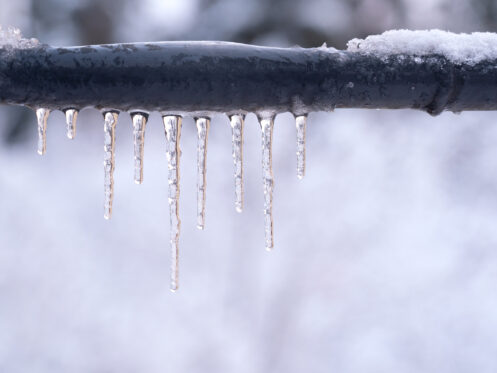
California and frozen pipes do not sound like they belong in the same sentence, yet some parts of the state see real winter nights. Higher elevations, inland valleys, and the high desert can all dip below freezing long enough to cause plumbing problems. A single cracked pipe can turn a quiet night into a big, fast clean-up. At General Air Conditioning & Plumbing, in Palm Springs, CA, we help homeowners in those chilly California pockets spot the stretches of pipe that take the hardest hit and shore them up long before the next overnight freeze has a chance to test them.
Why Frozen Pipes Happen in California Also
Frozen pipes are not just a Midwest or mountain state problem. Any time water sits in a pipe that drops below 32 degrees Fahrenheit, you have a chance for ice. In many California homes, the risk shows up in places that feel mild during the day and cold at 3:00 a.m. Think of cabins, hillside houses, homes with raised foundations, or older places where insulation was never much of a priority.
Pipes along exterior walls, in crawlspaces, garages, and under floor cavities feel those swings first. When a cold, clear night settles in and the wind picks up, those areas can get much colder than the rest of the house. Water inside the line begins to form slush. As that ice thickens, it squeezes the remaining water between the plug and the nearest closed valve. The pipe wall only takes so much pressure before it splits.
Know Your Home’s Risk Zones
The first step is to figure out where your home is vulnerable. Walk around the outside and inside with cold nights in mind. Look for hose bibs, outdoor kitchens, and irrigation points that sit on or near exterior walls. Note any laundry rooms or bathrooms that share a wall with the outside, especially if those rooms already feel cooler in winter. Raised homes in foothill areas often have long stretches of pipe in the crawlspace, which deserve attention, too.
Inside, open closets and cabinets that sit on exterior walls. If you feel a chill, assume the pipes behind those surfaces feel it as well. Garages with water heaters, utility sinks, or softener equipment can also be trouble spots when the air in that space drops. If you are not sure how your water lines run, a plumber can trace main branches during a regular visit and point out which ones should be first in line for winter prep. Once you know where the weak points are, a winter plan feels a lot more realistic.
Simple Winter Prep Before Temperatures Drop
Basic winterization goes a long way, even in a state that only deals with a few hard freezes each year. Start with outdoor lines. Disconnect garden hoses once summer is over. Leaving a hose attached traps water in the faucet body and the short line inside the wall, which is a common reason for hidden leaks that show up later. A plumber can install frost-resistant hose bibs or add shutoff valves inside so you can drain those runs before each winter.
For exposed pipes in crawlspaces, basements, or garages, foam pipe insulation is a simple upgrade that adds a layer between cold air and water in the line. It does not make pipes invincible, yet it slows down heat loss so water takes longer to freeze. In some cases, a plumber may suggest rerouting a short section of pipe that sits in a very cold spot so it runs through a more protected area instead. Water heaters in unconditioned spaces benefit from attention as well. Jackets rated for that use, better draft seals, and a check of recirculation lines all help reduce stress on piping when nights get sharp.
What to Do on a Hard Freeze Night
When a real cold snap shows up in the forecast, a few habits can help your plumbing ride it out. Keep your indoor thermostat at a steady setting instead of letting it drop way down while you sleep. Warm air inside the home helps slow heat loss in walls and floors where pipes run. In kitchens and bathrooms along exterior walls, open cabinet doors so room air can circulate around the drain and supply lines.
For homes in the chilliest pockets, a plumber may suggest a small drip from certain faucets during the coldest hours. Moving water is harder to freeze than still water. You do not need a heavy stream, only a slow, steady run that keeps water flowing through exposed stretches. Never leave windows cracked near sinks or laundry areas on a freezing night, since that cold air hits nearby pipes directly. If your home uses heat tape or similar products on certain lines, have those devices checked and installed by a professional and test them before the first winter storm, not during it.
Signs a Pipe Has Frozen and How to Respond
Even with careful prep, you might still wake up to a faucet that will not run on a very cold morning. That does not always mean the pipe has burst, yet it does mean danger is close. When a single fixture stops while others still flow, the line feeding that sink or shower has likely frozen somewhere along its run. Do not try to force the fixture handle or hit the pipe to “break the ice.” Those moves do more harm than good.
Your safest move is to shut the water to that branch if you know where the valve is. If you do not, shut off the main supply and call a plumber right away. Avoid using torches, open flames, or high-heat devices to thaw pipes. Those methods can weaken plastic lines, scorch framing, and raise the chance of fire. A licensed plumber has the tools and training to warm the area safely, find any splits, and repair or replace damaged sections before you turn the water back on. Acting early keeps a frozen line from turning into a flood when the ice lets go.
When to Call a Plumber for Winter Prep
Some winter steps are simple, like disconnecting hoses or opening cabinets. Others need professional eyes and tools. If your home has a history of frozen pipes, past winter leaks, or mystery stains on ceilings when cold weather hits, it is worth scheduling a plumbing check before the next season. A plumber can trace which lines have given you trouble, look at how they run through the structure, and suggest changes that match the way your house is built.
That work might include adding shutoff valves so you can drain specific branches, insulating long runs in crawlspaces, or replacing older exposed sections with more durable layouts. In some homes, small changes make a big difference, like moving a pipe a few inches away from a vent opening or sealing a drafty gap where cold air pours into a cabinet. The goal is to come up with a winter plan that feels realistic for you, not a long list of projects that never get done.
Head Into Cold Nights With a Clear Winter Plumbing Plan
California may not face months of deep snow, yet a handful of hard freezes can still test your plumbing. Simple habits and a little planning go a long way. From pre-winter inspections and targeted pipe insulation to valve upgrades and frozen line repairs, General Air Conditioning & Plumbing helps homeowners in colder parts of the state keep water where it belongs. If you want your pipes ready for the next cold snap instead of hoping for the best, schedule a winter plumbing visit with General Air Conditioning & Plumbing and talk through a plan that fits your home.